
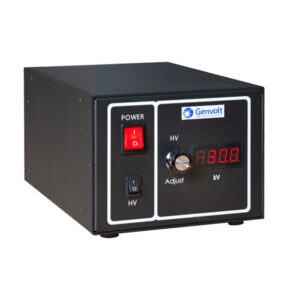
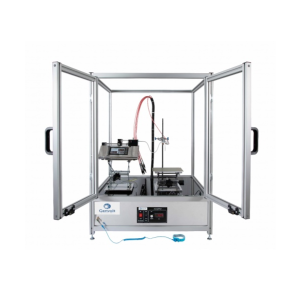
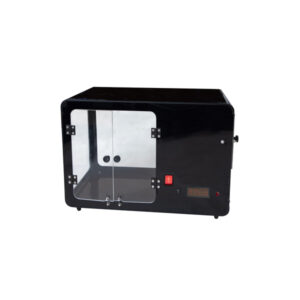

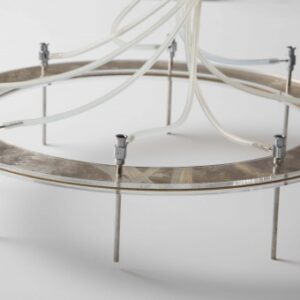
Genvolt is a global leader in electrospinning equipment and high-voltage power supplies. Trusted in over 90 countries, our technology supports pharmaceutical research, biomedical engineering, and nanomaterials development.
Our high-voltage power supplies, precision syringe pumps, and environmental chambers work together as a complete, modular toolkit for EHDA (Electrohydrodynamic Atomisation), a process used to produce very fine fibres and particles through electrospinning and electrospraying.
Whether you’re developing controlled drug delivery systems, tissue scaffolds, filtration membranes, or innovative textiles, Genvolt’s electrospinning equipment provides the precision, safety, and control needed to support your work at every stage, from lab-scale experiments to scalable production.
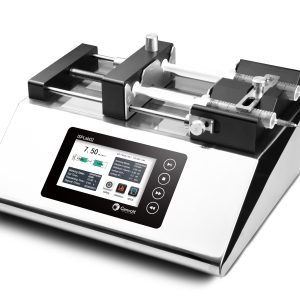
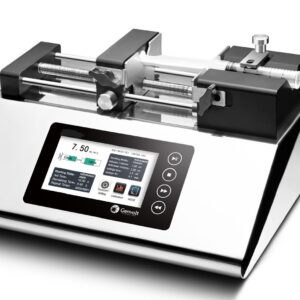
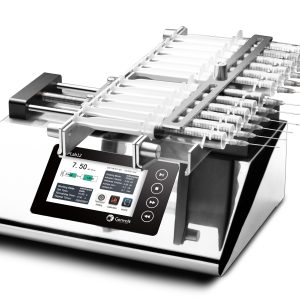
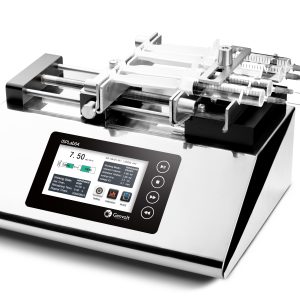
Our single and multi-channel syringe pumps enable you to precisely control polymer flow rates, ensuring reliable and consistent results. Furthermore, our innovative environmental chambers provide optimal control over environmental factors, including airflow, humidity, and temperature.
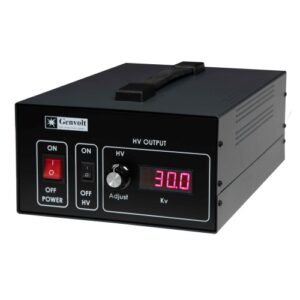
Genvolt’s products are built with output voltages ranging from 200V to over 300kV and include advanced features such as spark protection, noise reduction, and overload control. All our machinery complies with strict industry standards. It is designed for stable output, low ripple, and exceptional energy efficiency, making it ideal for both research and industrial applications. We also offer custom electrospinning solutions tailored to your specific needs.
Explore our full range of electrospinning and electrospraying systems designed to support and accelerate your research and development. Trusted by universities, pharmaceutical labs, and nanotech experts worldwide, Genvolt is here to help power the future of nanotechnology.
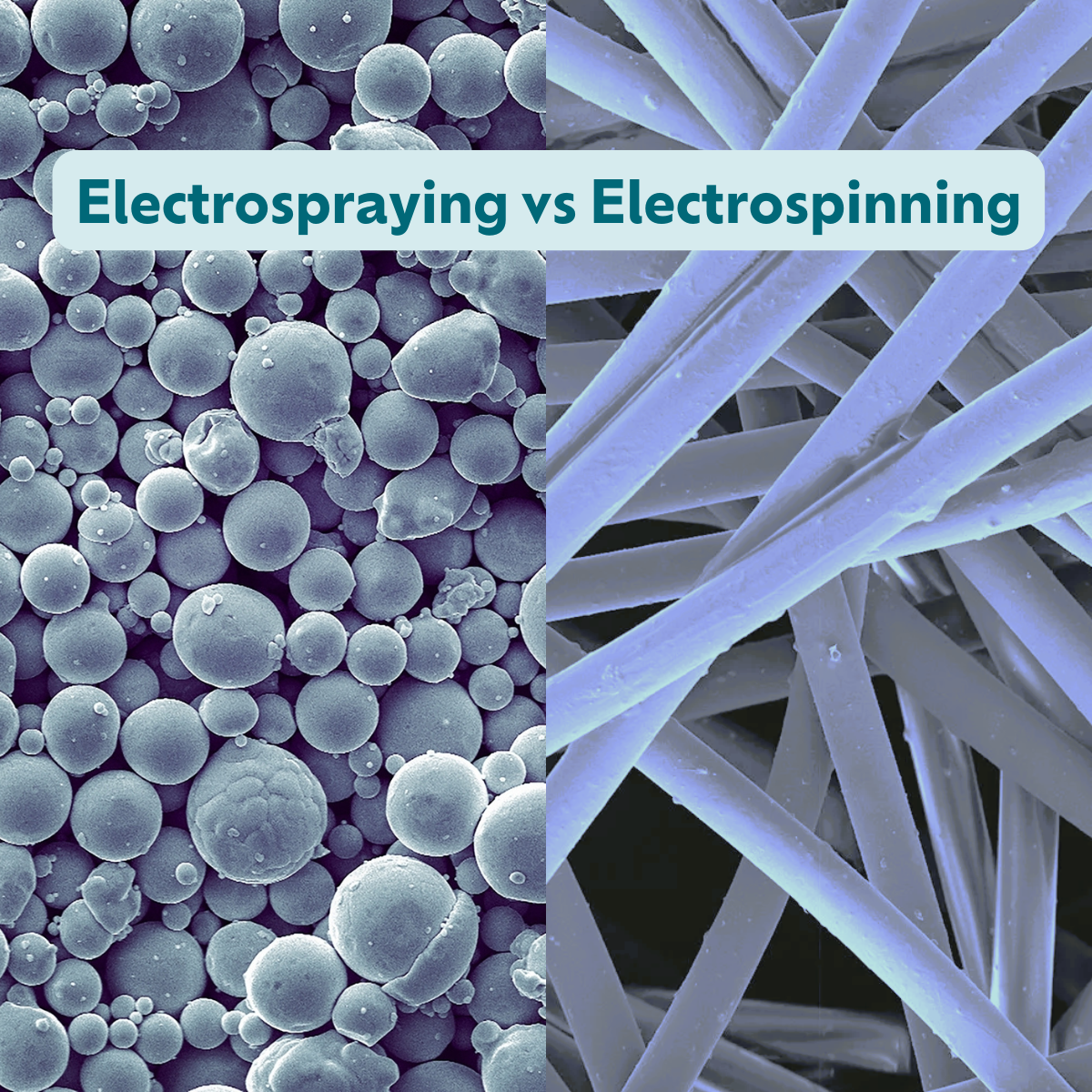
Electrospinning and electrospraying are two distinct techniques that use electric forces from a high-voltage power supply to produce ultra-fine materials from liquid solutions. While they follow the same basic process, they produce vastly different results.
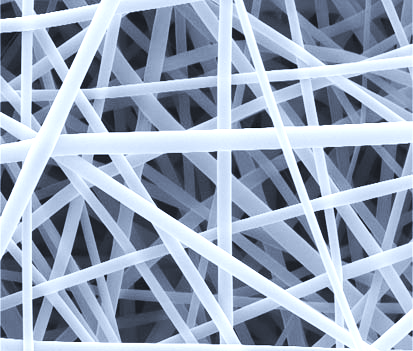
Electrospinning utilises electric forces to create continuous, ultra-thin fibres (nanofibres). This technique stretches the liquid polymer jets into thin filaments that weave together. Solid nanofibres are formed as the solvents evaporate.
Electrospraying, on the other hand, produces fine micro- and nano-sized charged droplets that break from a fine jet. The solvent evaporates, and the droplets form solid or hollow particles. This technique is ideal for targeted drug delivery, tissue engineering, encapsulation and uniform surface coatings.
Electrospinning is a popular electrohydrodynamic technique for producing nanofibers. It offers several key advantages over traditional fabrication methods.
Large surface area: Electrospinning creates nanofibres that have an exceptionally high surface area-to-volume, which enhances surface interaction and material adsorption, making it ideal for various applications.
High porosity: Electrospinning creates a fully breathable mesh structure enhancing properties such as permeability and mechanical strength, making it ideal for advanced medical applications.
Versatility: Electrospinning is a simple, versatile method for producing nanofibers from a wide range of materials, including polymers, ceramics, and metals.
Cost-effectiveness: Electrospinning typically requires relatively simple, affordable equipment to set up compared to other fabrication methods. It is highly adaptable and can be scaled cost-effectively.
Electrospinning is a versatile technique that can utilise various materials to produce nanofibers. The most common materials used in electrospinning include:
Synthetic polymers: Materials like PLGA, PVA, PCL and polyurethane are commonly used and are chosen for their durability. They are ideal for producing nanofibres.
Natural polymers: Common examples include cellulose and collagen, which are eco-friendly and are safe for the skin. This makes them ideal for medical wound dressings and implants.
Ceramics: These advanced materials are popular because they can withstand extreme heat and resist degradation.
Metal blends: Also known as composite alloys, metal blends can conduct electricity and are often used to produce advanced sensors and batteries.
Electrospinning can be scaled from the lab to widespread industrial production using advanced methods, such as multi-needle systems, to increase production rates. At Genvolt, we offer a range of electrospinning equipment to accelerate electrospinning production.
Genvolt systems are designed with laboratory and industrial safety standards in mind. Our electrospinning systems are equipped with safety features such as high-voltage protection, grounding protection, enclosed spinning chamber, emergency stop functions, and interlocked safety doors.
At Genvolt, we offer a comprehensive range of high-voltage products specifically for electrospinning and electrospraying applications. However, we can also design and manufacture bespoke solutions to meet the exact needs and specifications of your project. Get in touch with our team of experts today if you’re looking for something specific to find out how we can accommodate your needs.